Communication
Ways to share wants, needs, and ideas.
Grand Junction, Colorado
Compassionate, individualized ABA support for children and families in Grand Junction, Colorado.
ABA can support children in learning how to communicate, connect, and take part in everyday life. At Bloom, that work is play-based and built around each child.
Ways to share wants, needs, and ideas.
Connecting with other children and joining in.
More independence with the tasks of an ordinary day.
Skills that make school and new activities easier to join.
Moving between activities with more support and less strain.
A typical session may look a lot more like playing and participating in everyday activities than what families imagine when they hear the word “therapy.”
Depending on the child's age and goals, we may play games, work on communication, practice taking turns, complete daily routines, interact with peers, work through transitions, or practice tolerating situations that are challenging for them.
There are plenty of opportunities for movement, play, breaks, choices, and preferred activities, and more structured teaching when it is appropriate. We want children to be engaged in their learning—not simply sitting at a table completing tasks all day.
Most importantly, ABA is individualized. Every child is different, so therapy should never look exactly the same for every child.
We meet each child where they are and help them build skills that are meaningful to them and their family.
We prioritize skills that are meaningful and functional, the ones that make a difference in everyday life.
We believe a child's communication matters—even when they aren't communicating with words.
The goal isn't to make a child behave or appear a certain way. It's to help them communicate their needs, gain independence, navigate their environment, and participate more successfully in the things that matter to them.
Very involved! Parents and caregivers know their child better than anyone, and their input is an important part of treatment.
We want to know what is difficult at home, what is going well, what skills would make daily routines easier, and what goals are most important to the family. Caregivers are included in treatment planning and receive support in learning strategies they can realistically use at home and in the community.
We don't expect parents to become therapists.
We want to give families practical tools that fit naturally into everyday life. When everyone is working toward the same goals, children have more opportunities to use their new skills outside of therapy.
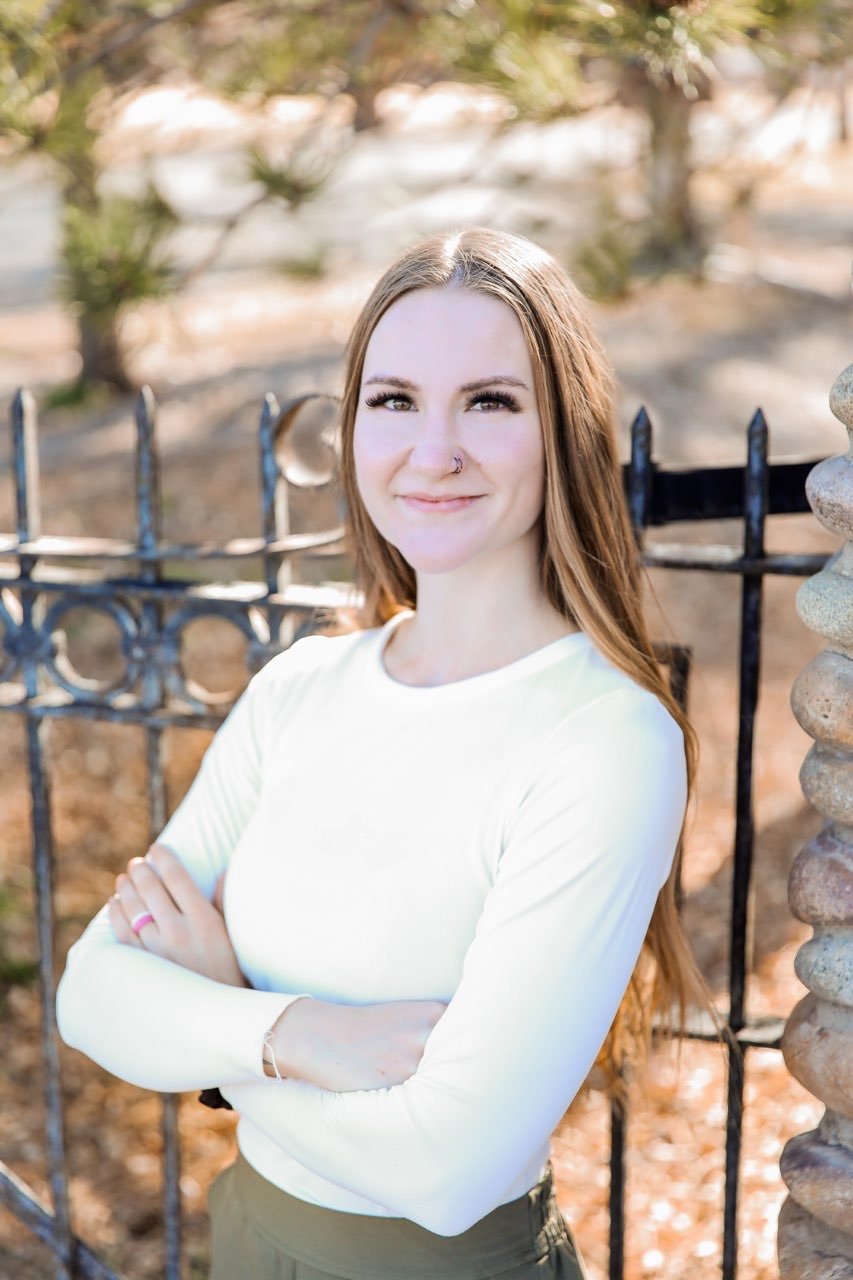
Meet Samantha
Founder and clinical director
Samantha is a Board Certified Assistant Behavior Analyst. She spends time getting to know each child and family before setting goals.
She works with caregivers so new skills can continue at home and in the community, not only during a session.
Call or send a note with your child’s age and what you’d like help with.
A conversation about your child, your family, and what support would actually help.
An individualized plan built around that child’s strengths, interests, and daily life.